


The Omega Story
Omega was founded in 1848 in La Chaux-de-Fonds, Switzerland, by Louis Brandt, who began assembling precision pocket watches in a small workshop and selling them across Europe and beyond. For the first three decades the business remained modest, but after Brandt’s passing in 1879, his sons transformed the company into one of Switzerland’s most innovative watchmakers.
In 1885 they introduced the Labrador — one of the industry’s first mass-produced calibres — followed by Switzerland’s first minute-repeating wristwatch in 1892. Just two years later came the groundbreaking 19-line Omega calibre, a movement so advanced and reliable that it gave the company its name and established Omega as a leader in precision engineering.
By the early 20th century, Omega had become synonymous with accuracy. In 1905 it was appointed official timekeeper for sporting events throughout Switzerland and in 1932 it achieved global recognition when it was selected as the Official Timekeeper of the Olympic Games in Los Angeles — a partnership that continues to this day and has spanned more than twenty Olympic Games.
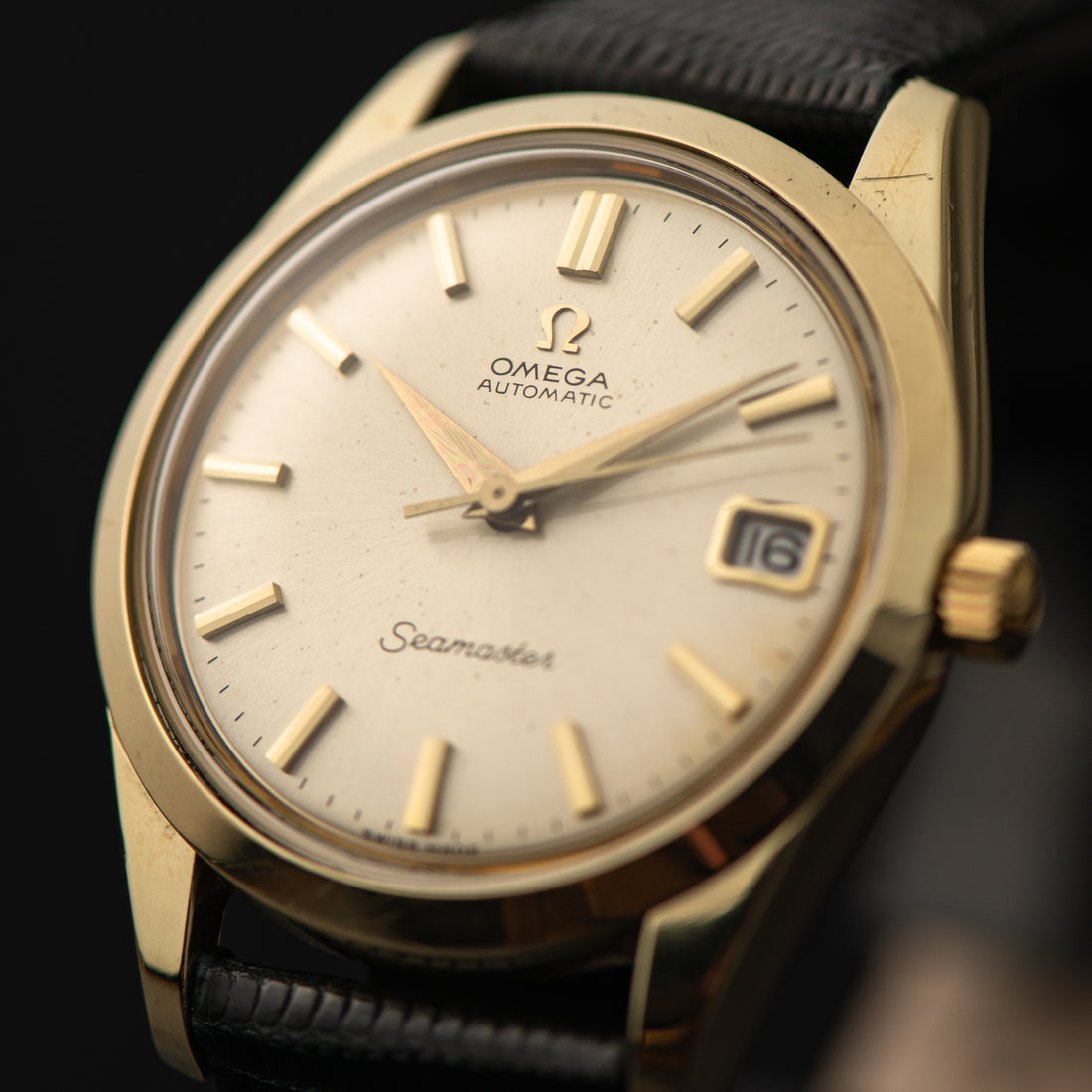
Seamaster
In 1948, to celebrate its 100th anniversary, Omega introduced the Seamaster — a watch designed for durability, water resistance and everyday elegance. Originally created for professional and military use, the Seamaster went on to become one of Omega’s most enduring and respected collections, prized for its blend of rugged performance and timeless design.
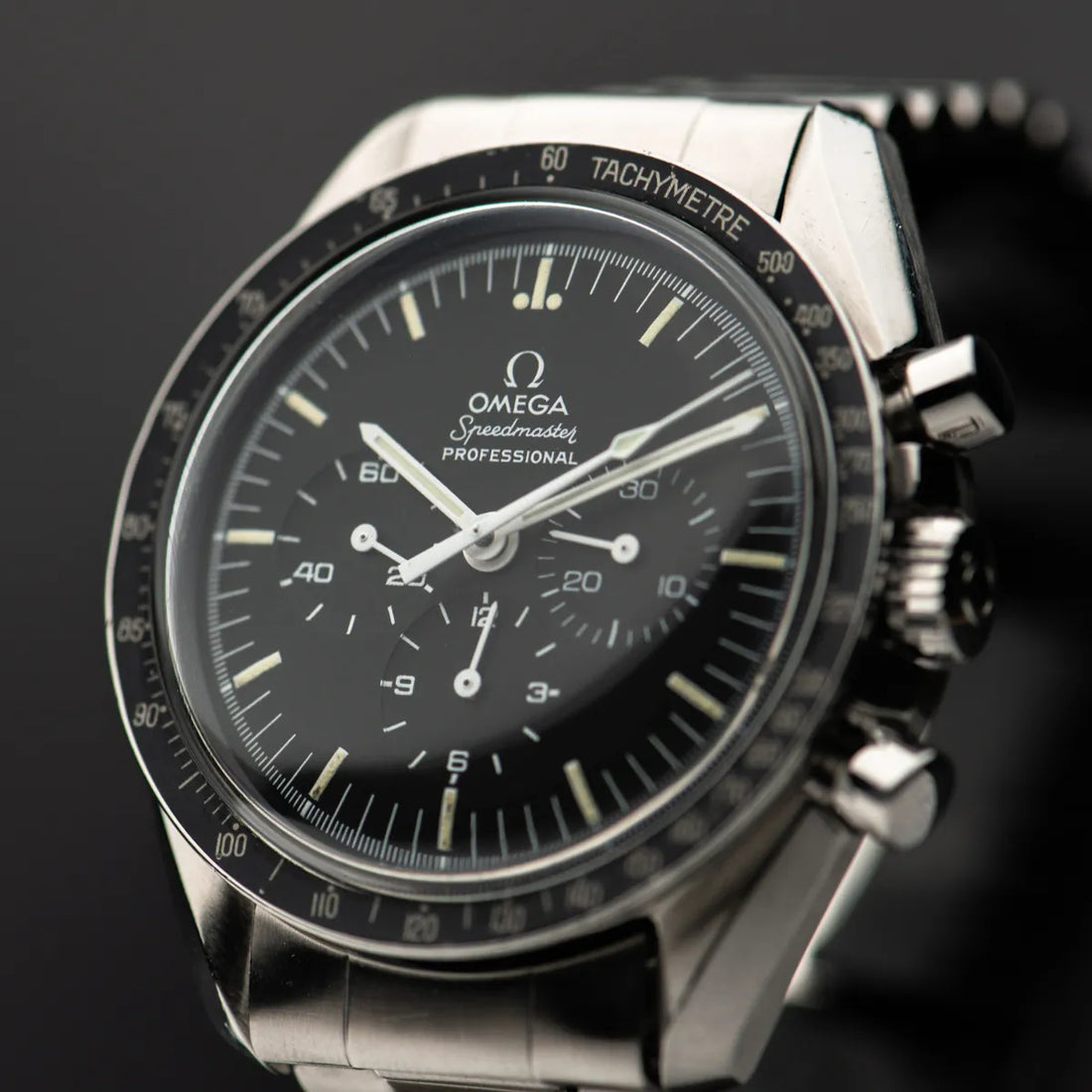
Speedmaster
Omega’s place in history was sealed in 1962, when astronaut Wally Schirra wore a Speedmaster during the Mercury Sigma 7 mission, making it the first Omega in space. Following exhaustive testing, NASA officially certified the Speedmaster in 1965 as the chronograph for all manned space missions.
In 1969, the Speedmaster accompanied Buzz Aldrin onto the surface of the Moon, earning its legendary status as the Moonwatch. A year later, it proved its life saving reliability during the Apollo 13 mission, where it was used to time critical engine burns that helped bring the astronauts safely home.
From the depths of the ocean to the surface of the Moon, Omega has played a defining role in some of humanity’s greatest achievements. In the 1990s, the brand entered popular culture once again when the Seamaster became James Bond’s watch of choice — reinforcing Omega’s reputation for precision, performance, and enduring style.
Today, Omega remains one of the most respected names in watchmaking and its vintage timepieces continue to represent the very best of Swiss craftsmanship and innovation.
Did You Know?
Omega is the last letter of the Greek alphabet, symbolising completion and perfection — the very values the brand was founded on.
Omega took inspiration for the original Speedmaster from the instrument dials found on the dashboards of Italian sports cars.
Omega was the first watch worn on the Moon, when the Speedmaster accompanied the Apollo 11 astronauts in 1969.
Omega has served as the official timekeeper of the Olympic Games more than any other watch brand in history, beginning in 1932.
During World War II, Omega supplied over 100,000 precision watches to the British military, earning a reputation for reliability under extreme conditions.
The Seamaster was originally developed for professional divers and military use and later became the watch of James Bond — cementing its place in popular culture.
Omega watches from the 1960s are considered the brand’s golden era, when mechanical precision, case design and dial craftsmanship reached their peak.